When students think about studying abroad, countries such as Canada, the UK, and Australia often dominate the conversation. Yet Malta is quickly becoming one of Europe’s most compelling alternatives for international students who want an English-speaking academic environment, internationally understandable qualifications, and a manageable Mediterranean lifestyle within the European Union. Malta combines European access with a smaller-scale student experience that many applicants find easier to navigate than larger, more expensive destinations. European Union
Malta’s appeal is not based on one factor alone. It comes from the combination of official English usage, recognized higher education structures, access to Europe, practical visa pathways for study, and a student experience that blends academics with culture, travel, and everyday livability. For students who want a European qualification without the complexity and cost often associated with larger countries, Malta deserves serious attention. FRA – Constitution of Malta MFHEA
Table of contents
- Why Malta Stands Out in Global Education
- What Makes Malta Attractive to International Students
- Academic Quality, Recognition, and Study Options
- Visa, Residence Permit, and Work Rules
- Cost of Living in Malta for Students
- Accommodation and Student Support
- How To Apply to Study in Malta: Step-by-Step
- Best Students and Programs for Malta
1. Why Malta Stands Out in Global Education
Malta is an EU country, which immediately matters to students who want a European study experience with internationally legible academic frameworks and easier institutional comparability. For many students, this makes Malta attractive not simply as an island destination, but as a strategic gateway into European higher education and mobility. European Union
Language is one of Malta’s strongest advantages. The Constitution of Malta states that Maltese is the national language and that Maltese and English are official languages. Visit Malta also describes the country as widely bilingual, which is one of the biggest reasons international students can adapt more quickly in classrooms, administration, and everyday life. This lowers the barrier for students who want to study abroad in Europe without first mastering a completely new language. FRA – Constitution of Malta Visit Malta
That language advantage is not just cultural; it is academic. The University of Malta has a dedicated international students portal with sections for English language requirements, applications, tuition fees, accommodation, visas, and living in Malta. In other words, Malta is not merely English-friendly at street level; it is structured to receive international applicants in a practical way. University of Malta
2. What Makes Malta Attractive to International Students
2.1. An English-speaking environment in Europe
Many students want Europe, but they also want clarity. Malta offers both. Students can study, communicate, complete paperwork, and integrate socially in an environment where English is officially used and institutionally relevant. For international students, that can reduce academic risk, improve classroom participation, and make daily life more comfortable. FRA – Constitution of Malta Visit Malta
2.2. A European destination with easier day-to-day navigation
Compared with very large study destinations, Malta offers a more compact setting. That does not automatically mean “easy,” but it often means simpler logistics: less geographic sprawl, more manageable commuting, and a student experience that can feel more personal than anonymous. This is especially attractive to first-time international students who want Europe without the shock of a megacity. University of Malta
2.3. A study experience connected to the Schengen area
The University of Malta visa guidance explains that students staying for one academic year or more should apply for an e-Residence Permit after arrival and registration, and that this permit serves as an identity document and allows travel within the Schengen Area together with a valid passport. That is a major lifestyle and mobility advantage for many international students. University of Malta
2.4. Transparent qualifications and provider verification
Malta’s qualifications system is organized through the Malta Qualifications Framework (MQF), which the Malta Further and Higher Education Authority says improves transparency and comparability at both national and international level. The MQF is referenced mainly to the European Qualifications Framework (EQF), helping students understand how Maltese qualifications relate to wider European systems. MFHEA
2.5. A destination where due diligence is possible
One overlooked strength of Malta is that students can check institutions and programs before applying. The Malta Qualifications Database exists specifically to show licensed providers and accredited or recognized programs. That is extremely useful for international students who want to avoid low-quality or unclear providers and verify whether a course is properly mapped within the Maltese framework. Malta Qualifications Database
3. Academic Quality, Recognition, and Study Options
The University of Malta study portal shows the breadth of its academic offering through subject areas ranging from Accountancy, Addiction Studies, Adult Education, Advocacy, Aerospace and UAV Technology, Agribusiness, and Agriculture onward. That breadth matters because it shows Malta is not limited to a narrow band of programs; students can explore undergraduate and postgraduate options across multiple disciplines. University of Malta
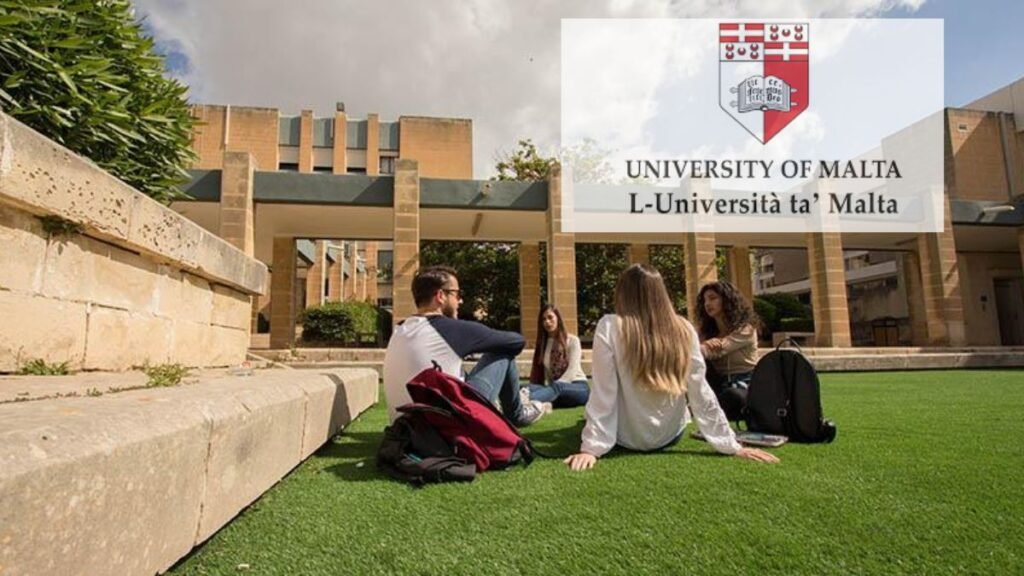
Some faculties explicitly state that their programs are taught in English. For example, the University of Malta’s Science & Technology study page says it offers undergraduate and postgraduate science courses and that all these courses are taught in English. This is an important indicator for students looking for academic continuity in English-medium instruction. University of Malta – Science & Technology
The academic credibility of Malta also rests on its qualifications framework. According to MFHEA, the MQF helps describe and compare national and foreign qualifications, promotes quality and transparency, and supports mobility. For international students, this means Malta is not just marketing itself as a study destination; it has a formal framework that helps make qualifications easier to understand across borders. MFHEA
For students working with an education advisor, this is where strategic planning matters. If you are exploring field-based pathways, you can naturally connect your Malta interest with broader Go2skul study areas such as Business, Sciences, Engineering, Hospitality & Tourism, Social Sciences, and Law. You can also browse the full Go2skul Courses hub to match destination strategy with academic goals.
4. Visa, Residence Permit, and Work Rules
For non-EU students, one of the biggest questions is whether Malta’s immigration process is clear. The answer is yes, but it must be followed carefully and early.
The official Identità long-stay visa page explains that a standard Schengen visa allows a stay of up to 90 consecutive days within a 180-day period. If a third-country national intends to remain in the Schengen area for longer than 90 days, they need a Long-stay Visa (D Visa) before arrival. Study is specifically listed as one of the main reasons authorization for more than 90 days may be granted. Identità
The EU Immigration Portal for students in Malta provides a detailed overview of documentation. For higher academic qualifications, students may need a valid passport covering the course duration, health insurance, proof of sufficient resources, evidence of return travel funds, an address in Malta, and an acceptance letter showing details such as course title, start and end dates, tuition language, and fee settlement. The portal also notes that successful applicants are generally granted a permit or visa for one year, or for the duration of the course if the course is shorter. EU Immigration Portal
The University of Malta adds an important second layer: after arrival and registration, students planning to stay for one academic year or more should apply for an e-Residence Permit. This becomes both an identity card and a travel-enabling document within Schengen when used with a valid passport. University of Malta
Part-time work is another major factor in destination choice. According to Identità’s student visa employment guidance, students following courses exceeding 90 days may take up employment in Malta under conditions imposed by Jobsplus, and students are generally allowed to work a maximum of 20 hours per week after their first three months of study in Malta. The same page states that third-country nationals pursuing a full-time course leading to a higher education qualification recognized by MQRIC may take up employment for a maximum of 20 hours per week starting from their first year of study, once they have the appropriate permit conditions. Identità
Malta Student Visa and Residence Snapshot
| Requirement | What official sources indicate |
|---|---|
| Stay up to 90 days | Standard Schengen rules apply |
| Stay longer than 90 days | Long-stay D Visa required before arrival |
| Study purpose | Officially recognized reason for long stay |
| One academic year or more | Apply for e-Residence Permit after arrival and registration |
| Work rights | Usually up to 20 hours/week, subject to conditions |
| Permit duration | Usually one year or course duration if shorter |
Source: Identità · EU Immigration Portal · University of Malta · Identità Employment Rules
5. Cost of Living in Malta for Students
Cost matters, and one reason Malta is increasingly attractive is that it can be more manageable than many larger study destinations. That said, “affordable” does not mean “cheap,” and students still need to budget realistically.
The University of Malta living costs page provides an approximate monthly guide for students. It notes that these figures are more realistic than minimum proof-of-funds figures used in visa or residence processes. The university estimates shared accommodation at €550–700, single accommodation at €800–1600, food and beverages at around €450, mobile/Wi-Fi at €30, laundry at €80–100, electricity/water at about €50, and other living expenses at €200–300. It also notes that public transport is free for e-residence permit holders. University of Malta
Estimated Monthly Student Budget in Malta
| Expense Category | Estimated Monthly Cost |
|---|---|
| Shared accommodation | €550–700 |
| Single residence/apartment | €800–1600 |
| Food and beverages | €450 |
| Mobile/Wi-Fi | €30 |
| Laundry | €80–100 |
| Electricity and water | €50+ |
| Other personal/study expenses | €200–300 |
| Public transport | Free for e-residence permit holders |
Source: University of Malta Living Costs
For students and families, the lesson is simple: Malta can be a practical European option, but financial planning still matters. Budgeting should cover tuition, housing, food, documentation, insurance, and arrival costs. This is exactly where advisory support can be useful through Go2skul Services, especially for budgeting, admission preparation, and pre-departure planning.
6. Accommodation and Student Support
Housing is one of the most important parts of the student experience, and Malta’s official guidance is very direct on this. The University of Malta accommodation page warns students to secure accommodation as soon as they receive their letter of acceptance because demand is high. The university strongly encourages booking the Campus Hub Residence next to the main campus in Msida and notes that other private accommodation may require documents that can delay e-residence permit preparation. University of Malta
The same page adds that Campus Hub offers comforts, facilities, privacy, and safety, and that choosing it can help students avoid issues such as missing documentation or fraud in the private rental market. That is significant because international students often underestimate how closely accommodation documents can affect residence formalities. University of Malta
Support after arrival matters too. The University of Malta International Office says it provides support to international foundation, degree, exchange, and visiting students at all levels of study. The office also runs orientation sessions for new international students, which is an important transition resource for settling in academically and socially. University of Malta
7. How To Apply to Study in Malta: A Step-by-Step guide
This section is intentionally detailed so it can rank for “how to apply to study in Malta” and also be genuinely useful to students.
Step 1: Choose a licensed or recognized provider
Before applying anywhere, check whether the institution and program are properly licensed, accredited, or recognized through the Malta Qualifications Database. This is one of the smartest filters you can use to reduce risk. Malta Qualifications Database
Step 2: Identify the right course and level
Use the University of Malta course portal or your chosen institution’s study pages to confirm your level, intake, duration, fees, and entry criteria. If you are still deciding by field, you can compare broader pathway categories through Go2skul Business, Sciences, Engineering, Hospitality, Social Sciences, and Law.
Step 3: Confirm the language requirements
The University of Malta international students portal includes a dedicated section for English language requirements. You should confirm early whether you need an English test or whether your academic background already satisfies the language requirement. University of Malta
Step 4: Calculate a realistic budget
Do not rely only on minimum visa proof figures. Use the University of Malta living cost guidance to estimate actual monthly spending, including accommodation, food, utilities, and everyday expenses. University of Malta
Step 5: Apply and secure your acceptance letter
For visa purposes, your acceptance letter must usually include course details, duration, fees, and other specific information. The Identità long-stay visa guidance and EU Immigration Portal both make clear that a formal admission letter is central to a study application. Identità EU Immigration Portal
Step 6: Arrange accommodation early
Once accepted, book accommodation immediately. The University of Malta accommodation guidance specifically urges students to act early and highlights the advantages of Campus Hub in relation to documentation and residence processing. University of Malta
Step 7: Apply for the right visa
If your course requires a stay longer than 90 days, you will usually need a D Visa before arrival. Check the Identità long-stay visa page and the EU Immigration Portal for the official checklist and current requirements. Identità EU Immigration Portal
Step 8: Arrive, register, and apply for the e-Residence Permit if required
If you are staying for one academic year or more, the University of Malta says you should apply for an e-Residence Permit after arrival and registration. This becomes your identity document and supports Schengen travel with a valid passport. University of Malta
Step 9: Attend orientation and settle in
Make use of the International Office orientation sessions. Orientation is not optional in practice; it often helps students with paperwork, local systems, academic expectations, and first-week integration. University of Malta
Step 10: If needed, get guided support from a study abroad advisor
If you want help with admissions, visa files, accommodation planning, or pre-departure preparation, you can move directly to Go2skul Services, Register Online, or Contact Go2skul.
8. Best Students and Programs for Malta
Malta is especially attractive for students who want a European destination but prefer a more navigable and English-usable environment. It is a strong fit for students who value academic clarity, mobility, and a destination where official structures around visas, qualifications, and student support are relatively transparent. University of Malta MFHEA
It can also be a good option for students exploring fields that translate well across borders and industries. If you are planning a broader study-abroad strategy, useful related Go2skul pages include Study Abroad Home, Study Abroad Blog, Study in Malta 2026, Study in Cyprus, Study in Austria, Study in Spain, Study in Italy, Study in the UK, Study in France, Study in Canada, Study in the USA, and Study in Australia
If you are seriously considering Malta, don’t stop at inspiration—move into planning. Start by reading Go2skul’s dedicated Study in Malta guide, then explore Go2skul Services for admission, visa, accommodation, and pre-departure support. If you are ready to begin, use Register Online or go straight to the Contact page for personalized guidance.
If funding is part of your decision-making process, you can also monitor Go2skul Scholarships for future updates.
Frequently asked questions
1. Is Malta a good country for international students?
Yes. Malta is increasingly attractive because it combines an EU location, official English usage, transparent qualifications structures, and formal student visa and residence pathways. It is especially appealing to students who want Europe in a smaller, more manageable environment. European Union FRA – Constitution of Malta MFHEA
2. Is English widely used in Malta?
Yes. Malta’s Constitution recognizes Maltese and English as official languages, and Visit Malta describes the country as bilingual. This is one of the strongest reasons Malta is attractive to international students. FRA – Constitution of Malta Visit Malta
3. Do international students need a visa to study in Malta?
If you are a non-EU student and your stay exceeds 90 days, you will generally need a Long-stay D Visa before arrival. Identità
4. Do students also need a residence permit after arrival?
Usually yes, especially if you are staying for one academic year or more. The University of Malta says such students should apply for an e-Residence Permit after arrival and registration. University of Malta
5. Can international students work while studying in Malta?
Officially, students may work under defined conditions. Identità states that students are generally allowed to work a maximum of 20 hours per week, with timing and conditions depending on the student’s permit category and course recognition status. Identità
6. Is Malta part of the European Union?
Yes. Malta is an EU country, which strengthens its appeal for students seeking a European academic environment. European Union
7. Can students travel within Europe while studying in Malta?
The University of Malta says the e-Residence Permit serves as an identity card and allows travel within the Schengen Area together with a valid passport. University of Malta
8. How much does it cost to live in Malta as a student?
The University of Malta estimates shared accommodation at €550–700, single accommodation at €800–1600, food at about €450, and additional monthly costs for utilities, laundry, and personal expenses. University of Malta
9. Is student accommodation easy to find in Malta?
Accommodation is available, but the University of Malta warns that demand is high and urges students to secure accommodation as soon as they receive an acceptance letter. University of Malta
10. What is the Malta Qualifications Framework?
The MQF is Malta’s national qualifications framework. MFHEA says it makes the Maltese qualifications system easier to understand, more transparent, and more comparable at national and international level. MFHEA
11. How can students verify whether a school in Malta is legitimate?
Students should use the Malta Qualifications Database, which lists licensed providers and accredited or recognized programs. Malta Qualifications Database
12. Does the University of Malta support international students?
Yes. The university has a dedicated International Office and provides guidance on applications, English language requirements, fees, visas, accommodation, living costs, and orientation. University of Malta University of Malta Orientation
13. Is Malta only suitable for language students?
No. Malta offers full higher education pathways, and the University of Malta’s study portal shows wide academic coverage across many subjects. University of Malta
14. Why are more students considering Malta instead of larger countries?
Because Malta offers a rare combination: official English usage, EU access, transparent study procedures, a Mediterranean lifestyle, and potentially more manageable living logistics than much larger destinations. European Union FRA – Constitution of Malta University of Malta
15. Where can students get professional help for studying in Malta?
Students can use Go2skul Services, Register Online, or Contact Go2skul for support with admissions, visas, accommodation, and planning.
Malta is becoming a top study destination for international students because it offers a combination that is still relatively rare in Europe: an EU study location, official English usage, formal and transparent qualification frameworks, clear student visa and residence procedures, and a lifestyle that blends academics with Mediterranean livability. European Union FRA – Constitution of Malta MFHEA
Academically, Malta is more substantial than many students assume. The University of Malta offers a wide spread of disciplines, while the national framework around the MQF and the Malta Qualifications Database helps students verify providers and understand how qualifications fit into broader European structures. University of Malta MFHEA Malta Qualifications Database
From an immigration perspective, Malta is structured rather than vague. Official sources explain the 90-day rule, when a D Visa is required, what documentation students need, when to apply for the e-Residence Permit, and what work conditions may apply during study. That clarity is a major advantage for international applicants trying to avoid uncertainty. Identità EU Immigration Portal University of Malta Identità
Financially, Malta still requires careful budgeting, but official university estimates show a realistic framework for accommodation and living costs, helping students plan early and avoid underestimating expenses. Housing should be arranged quickly after admission, and university guidance makes clear that documentation can matter just as much as the room itself. University of Malta Living Costs University of Malta Accommodation
Ultimately, Malta stands out because it is not trying to imitate bigger destinations. Its value lies in being English-usable, European, structured, compact, and internationally relevant. For students who want a serious study-abroad option with lower language friction and stronger mobility than they might expect from a small country, Malta is no longer an underrated choice—it is a strategic one.